I built Corexa because service information should not disappear between the job, the technician and the warehouse.
Corexa did not begin as a software idea looking for a problem. It began inside a working coffee-machine service business, where one missing detail could become another site visit, the wrong part, a delayed repair and a disappointed customer.
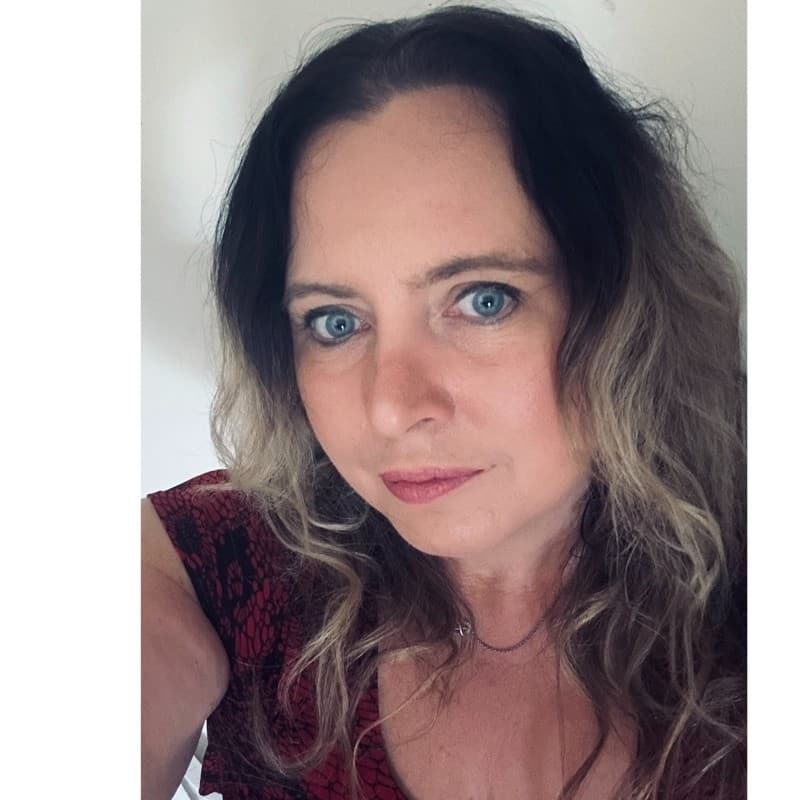
Renee Hastings
Founder, Corexa
Better service starts by making sure the knowledge from one job is available for the next.
Where it started
I stepped in to help coordinate service. Then I started seeing the whole chain.
I first began filling in as a service coordinator for my partner's business. What started as temporary support gradually became a more permanent role, and it gave me a clear view across customer calls, technician schedules, machine histories, parts ordering, warehouse stock and invoicing.
The people were working hard, but the information did not always move with the work. A useful note might sit in a message, a photo might be stored somewhere else, a machine's earlier symptoms might be difficult to find, and the warehouse record might not reflect what was actually on the shelf.
When that context was lost, technicians could attend the same machine too many times. Incorrect parts could be ordered. Jobs took longer to complete, service businesses absorbed costs they could not always recover, and customers were left waiting without a clear answer.
What disconnected data costs
Small information gaps can become large operational losses.
In specialist equipment service, the delay is rarely just the time spent searching. It can change which technician attends, which part is ordered and how long the customer's machine remains out of service.
Repeat visits
When earlier findings, photos or machine history were difficult to locate, technicians could return to the same job more times than necessary.
Incorrect parts
Incomplete service context made it easier to identify or order the wrong component, adding cost and delaying the repair.
Long lead times
Many specialist parts came from Italy. Even items listed as in stock could take around six weeks to arrive, while backorders took longer.
Stock without visibility
A cluttered warehouse made small parts easy to misplace, creating the risk of buying something the business already owned.
The warehouse made the problem visible.
Coffee machines can require an enormous range of model-specific components. Keeping every possible part in stock is not financially or physically realistic, especially when the same category of machine can contain many variations.
At the same time, the warehouse could become cluttered. Small parts were easy to misplace or difficult to identify quickly. When a part could not be found with confidence, the safest operational response was often to order it again.
That was especially painful when the replacement had to come from Italy. Even an in-stock item could mean an average wait of about six weeks by the time it arrived. If it was on backorder, the customer and the service team waited even longer.
Programming was my hobby. This became the reason to use it.
I had always enjoyed computer programming as a hobby. As I became more involved in the business, I started using that background to test whether the disconnected pieces could be brought together in a practical system.
I was not trying to replace technician knowledge. I wanted to protect it: to make sure notes, photos, parts, machine history and follow-up actions stayed connected after the technician left the site.
That work grew into Corexa—a platform built around the real flow of service, from the first customer request through diagnosis, parts, completion, maintenance history and the next visit.
What Corexa is designed to do
Keep the operational story intact.
Corexa is being built so service teams can act on what the business already knows instead of rebuilding that knowledge at every stage.
From the coordinator's desk to the technician van and the warehouse shelf, the same service context should travel with the work.
Connect the service record
Keep the customer, site, machine, job history, technician notes, photos and maintenance context together.
Make parts easier to trace
Link parts to machines, jobs, warehouse locations and technician stock so teams can find what they have before ordering again.
Carry information forward
Give the next technician or coordinator the context already learned, rather than making every visit start from zero.
Built from the work itself
Corexa exists to help service businesses spend less time recovering lost context and more time solving the actual problem.
The platform continues to grow from real workflows, real service pressure and the belief that better-connected information can create better outcomes for technicians, businesses and machine owners.